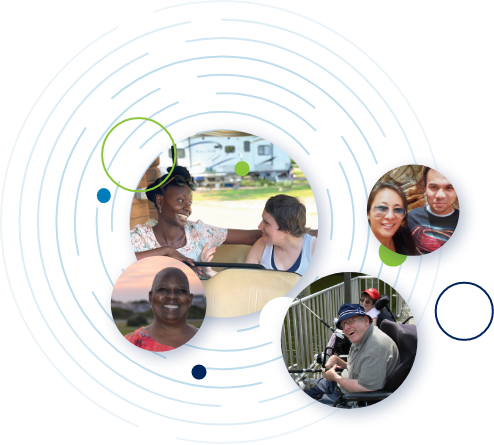
Are you looking for a career change? Our jobs encourage you to find (& share) happiness in our communities.
Providing a Community to Cultivate and Grow happiness
At Community Systems, Inc., we help persons with disabilities find happiness in their own homes, in their personal relationships, and as contributing members of their community.
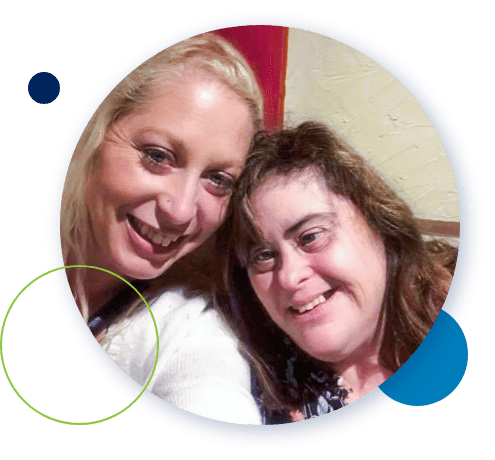
Build Your Career Join a team that becomes family
Our Services We believe in tailor-made supports as unique as each person's specific needs
When you define success as a person experiencing happiness in their home, relationships and community, it’s easy to see why CSI provides a variety of supports. We’re focused on long-term solutions to champion happiness.
Case Management Supports
Some of the adults supported by CSI with case management services are persons with mild intellectual disabilities (and potentially accompanying physical disabilities) who are capable of living alone, but may need periodic assistance.
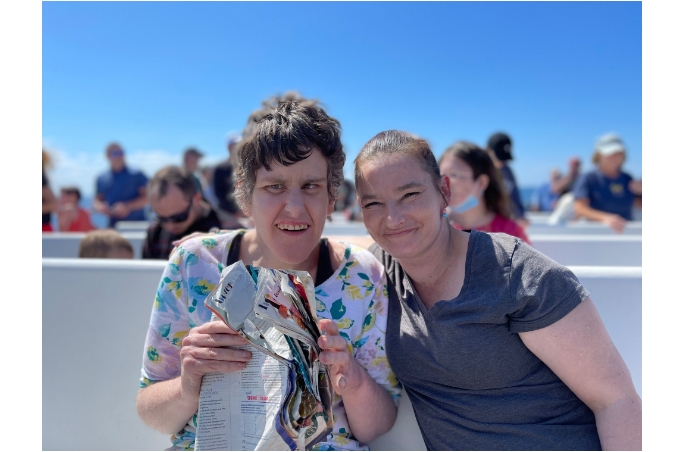
Day Activity Supports
There may be persons for whom employment is too great a physical, behavioral or mental challenge. If so, there are alternative day activities which include recreational, volunteer, and community experiences.
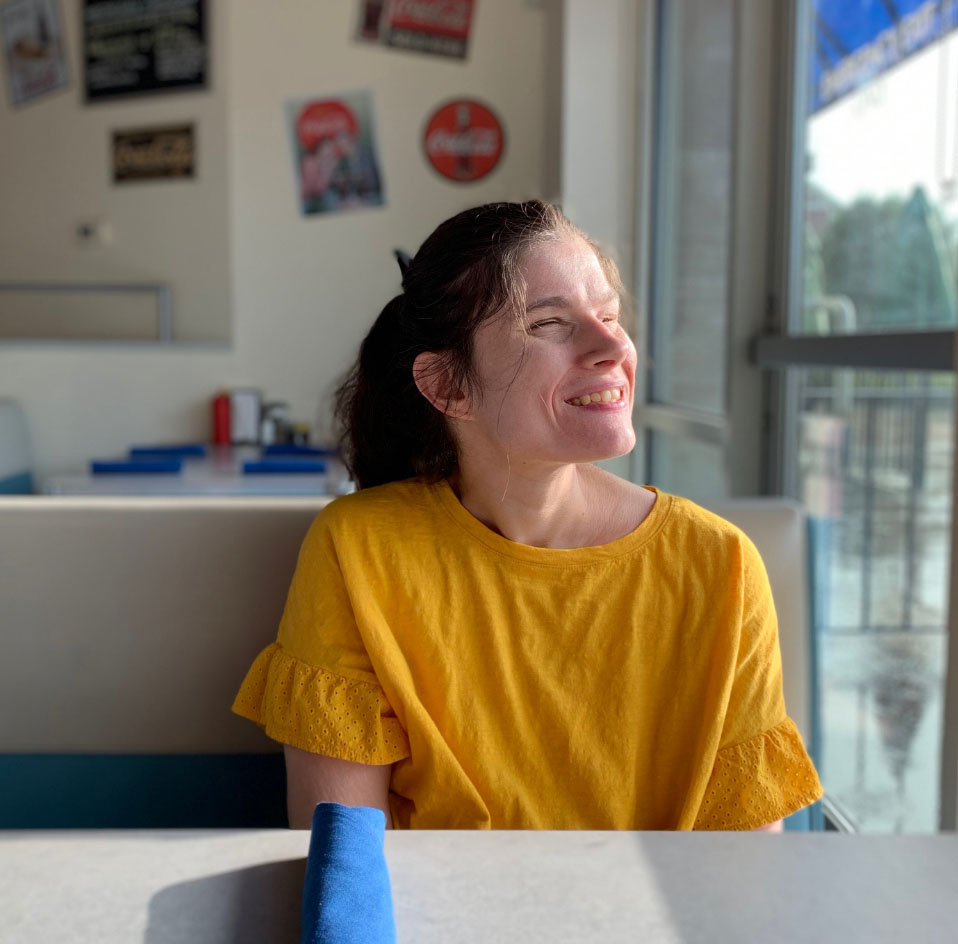
Supported Independent Living
All four CSIs support people who live in their own homes or apartments and receive varying amounts of support. Persons supported in this manner include persons with mild to moderate intellectual disabilities and persons with acquired brain injury.

Shared Living
Shared living describes a home in which a person with disabilities lives with a non-disabled person (or family) who has accepted contractual responsibility for the well-being of the person and opens their home and life to help the person find happiness.
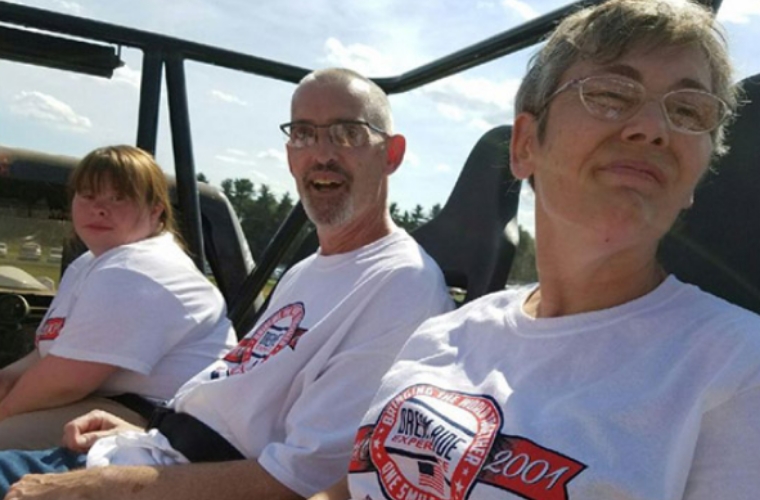
Small Group Living
Small group homes are the most traditional of living environments, and CSI is making a concerted effort to replace them with supported independent living options whether or not persons need 24-hour supports.

Supported Employment
CSI-Connecticut provides supported employment to persons who may work alone competitively or who may work in small enclaves with their colleagues. CSI-Connecticut identifies and accesses employment opportunities for persons with disabilities.
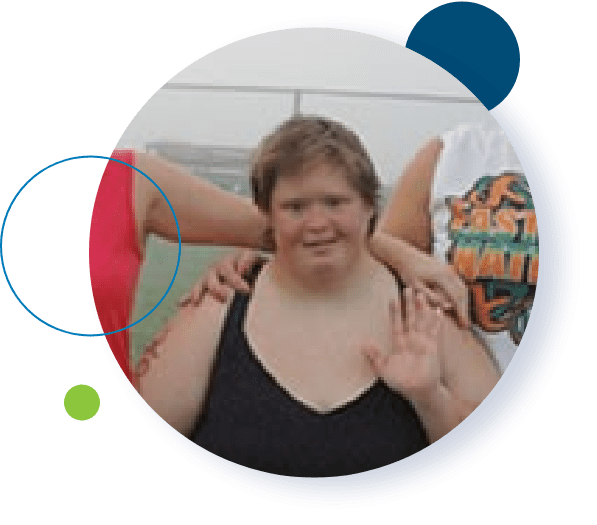
Success Stories Meet Alyson
"I got a job at Wegmans grocery store and enjoy going there each day."
Why Choose
Community Systems, Inc.?
Our results-driven approach leads to lower social costs and a stronger, healthier community:
- Dedication to individual supports planned one person at a time
- Tenacity in helping persons with challenges to find success
- Commitment to remain abreast of best practice
- Staunch belief that no one with disabilities needs to live in an institution
We provide support to persons with a wide range of behavioral and development disorders:
You can make impossible dreams possible for persons with disabilities, here’s how:
Championing happiness takes more than our four-state family of non-profit, tax exempt corporations can provide through our programs... it takes a community to cultivate & grow happiness.
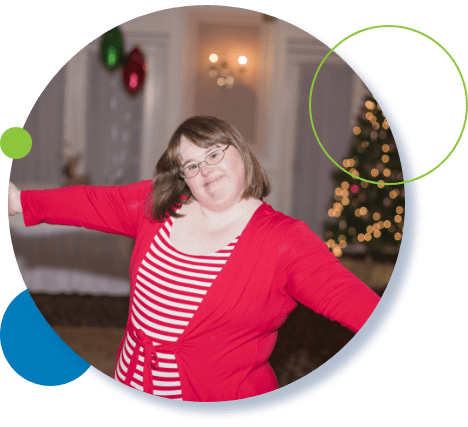
Partner for Social Inclusion
When all people can engage as members of the economy and participate in community events and associations, then our community becomes stronger. Your partnership with CSI ensures that you are building a socially inclusive and welcoming community — guaranteeing that happiness can not only grow here — it can blossom.
Invest in a Stronger Community
A donation can help fulfill our mission to help persons with disabilities find happiness as a contributing member of their community. As a donor, you not only help us create the conditions to support happiness, you become a change agent for promoting social inclusion. CSI is a 501(c)(3) tax-exempt organization.
Share your influence
Happiness grows when it is shared. Join us on Facebook to share stories of successes, inclusion, advocacy, and support. Your voice amplifies our mission across your social networks. Use #championofhappiness to share your own story and stay connected.